The Quiet Strength


The Architecture of Silence

There is a specific frequency to the forest at four in the morning. It is not an absence of sound, but a presence of stillness so dense it feels tactile. In this stage of the journey, we move past the frantic efforts of ‘becoming’ and settle into the simple reality of ‘being.’

The human spirit is much like the ancient cedar. It does not grow through loud proclamation, but through the patient, invisible labor of roots seeking depth. Transcendence is the realization that the strongest parts of us are often the quietest.
Lone tree in vast landscape

Resilience that doesn’t need an audience: The quiet strength of roots.

Searching for Meaning

When we stop fighting the silence, we begin to hear the instructions it holds. It speaks of resilience that is measured in centuries, not seasons. This is the quiet strength of the survivor who has finally found home within themselves.

Transcendence isn’t about escaping reality; it’s about seeing into the heart of it. It’s the quiet strength that remains when all the noise of ego is stripped away. We realize that we are not separate from the landscape, but an expression of its deepest intentions.
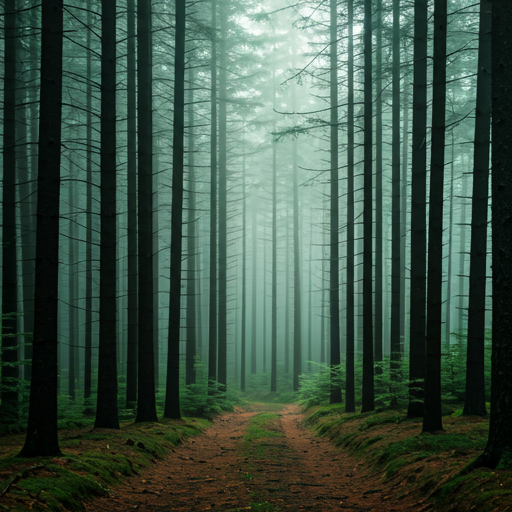
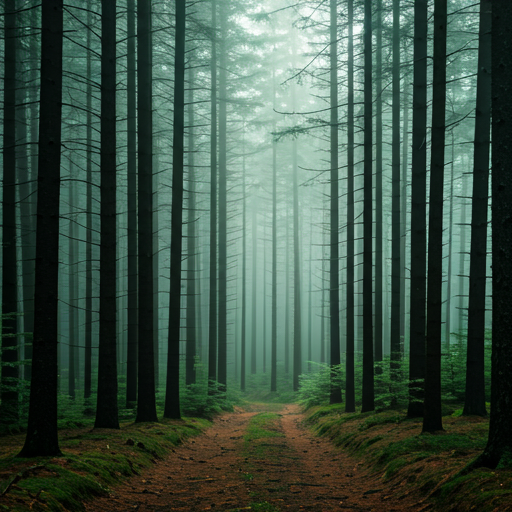
Mist in the woods

The Mist of Patience: Observing without naming.

Alpine Lake reflection

Internal Harmony: The lake as a reflective mirror.

The Shared Path

The Architecture of Empathy

To understand the early human social bond, one must look not at the hunter, but at the hearth. The hearth was the original center of gravity—a place where the day’s observations were transmuted into the night’s wisdom. It was here that empathy ceased to be a biological reflex and became a cultural pillar.

Mirroring the intricate underground networks of mycelium that sustain a forest, our ancestors developed a silent language of care. This communal resilience allowed for the “Shared Path”—a realization that the group’s survival was fundamentally dependent on the well-being of its most vulnerable members.

Mycelium Network

Fig 2.1: Interconnected Roots (The Mycelial Analogy)

Communal Wisdom

The storage of knowledge was never meant for a single mind. Like a library of living experiences, the collective memory of the tribe ensured that no lesson was ever truly lost. In Stage II, we witness the birth of shared storytelling—the first bridge between individual perception and universal truth.

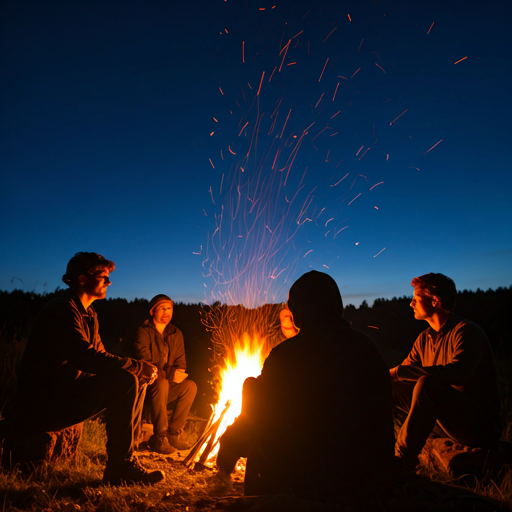
Campfire Gathering

The first bridge: Shared storytelling.

The Kinship Coefficient

Exploring the biological necessity of cooperation and how altruism became our greatest evolutionary advantage.

Specimen Study 042

The Social Bond

With Stage II, the “Shared Path” becomes a conscious choice. The architecture of survival shifts from individual prowess to communal resilience. We begin to see the development of mirror neurons—the physiological hardware that allows us to feel another’s joy or pain as our own.

This was the dawn of emotional intelligence. We didn’t just survive together; we felt together. The tribe became a single organism, moving with a rhythm dictated not by blood, but by bond.

The First Spark

The Primordial Pulse

To understand the modern human is to first reconcile with the ancestor who stood at the edge of the savannah, breathless and alert. For millennia, our existence was a rhythm of biological necessity—breath, heartbeat, hunger, and flight. We were woven into the tapestry of the wild, indistinguishable from the predator’s shadow or the migratory path of the great herds.

But something shifted. In the archaeological record, we see it in the subtle deliberate placement of stones, the collection of red ochre, and the eventual mastery of the flame. This was the “First Spark.” It was more than a chemical reaction of wood and oxygen; it was the birth of the internal hearth. It was the moment the exterior world was mirrored within the human mind.

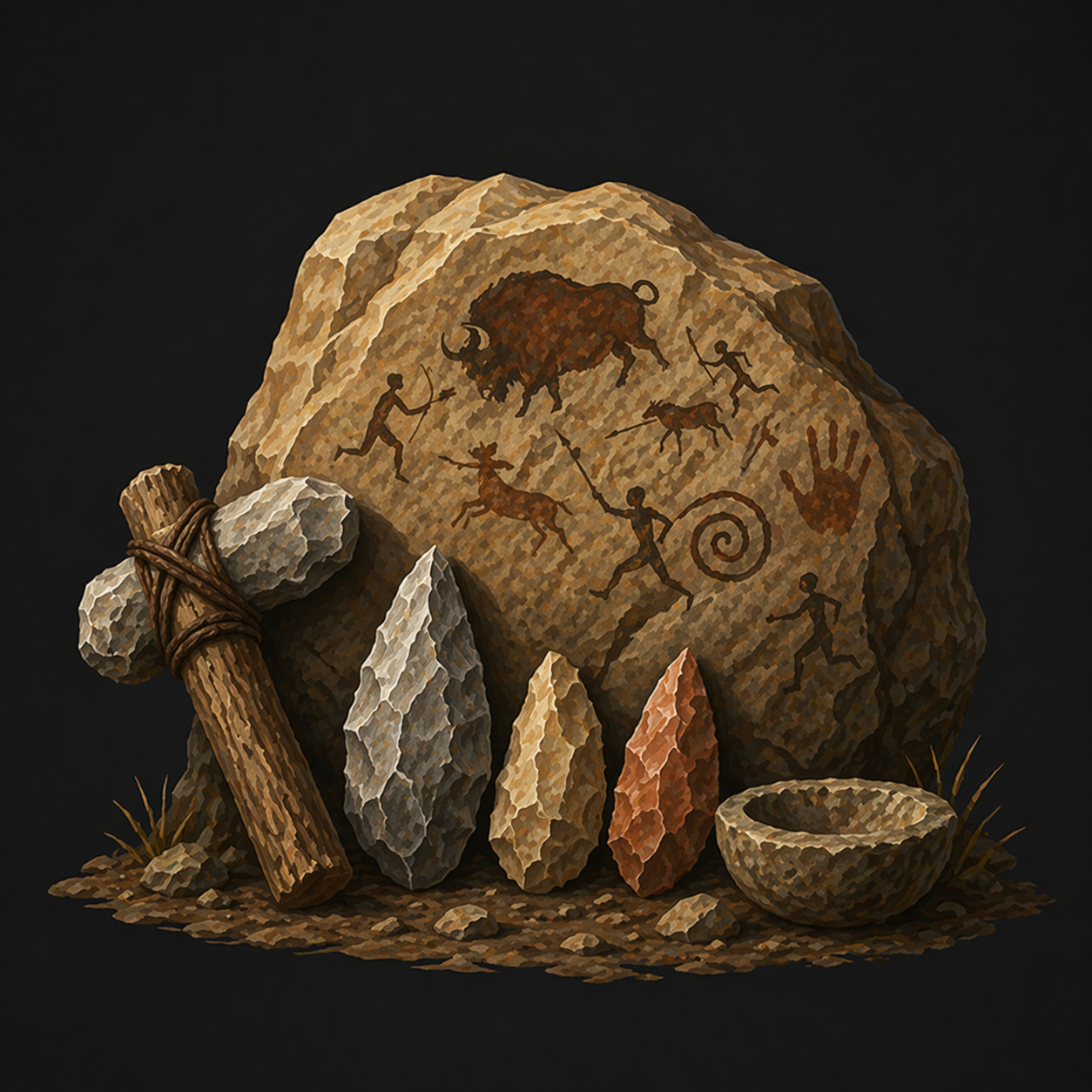
Prehistoric tools

Evidence of the first intentional craft: The refinement of flint and self-awareness.

Coalescence of Thought

As the climate fluctuated between punishing droughts and lush abundance, the human brain didn’t just adapt—it innovated. Resilience became our primary trait. We began to perceive patterns in the stars and the seasons. This cognitive emergence allowed us to detach, however slightly, from the immediate “now.”

Research in paleoanthropology suggests that the birth of emotional intelligence occurred alongside our technical skills. We didn’t just build tools to kill; we built rituals to mourn. We began to see ourselves as distinct entities, capable of influencing our environment rather than merely being dictated by it. This is the root of the “First Spark”—the realization that while we are of the earth, we are also witnesses to it.

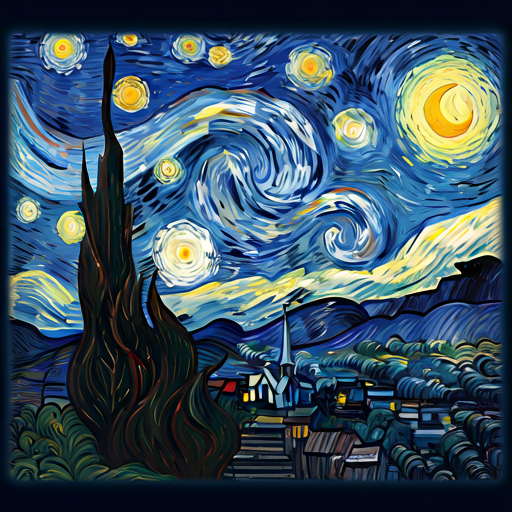
Starry Night

Pattern recognition: The first map was the sky.

Ancient Wood

Biological roots: Our DNA remembers the forest.

The First Shadow

With awareness came the shadow—the understanding of mortality and the weight of legacy. The “First Spark” of fire kept the wolves at bay, but it also illuminated the faces of our kin, fostering a profound sense of community. We shared stories through grunts and gestures long before the first formal language was forged in the fire’s glow.

This stage of emergence was not a sudden event, but a slow, burning dawn. It was the resilience to survive the ice, the curiosity to cross the mountains, and the conscience to care for the wounded. We were becoming the field naturalists of our own existence, documenting the wild world with every footprint we left in the soft river mud.